
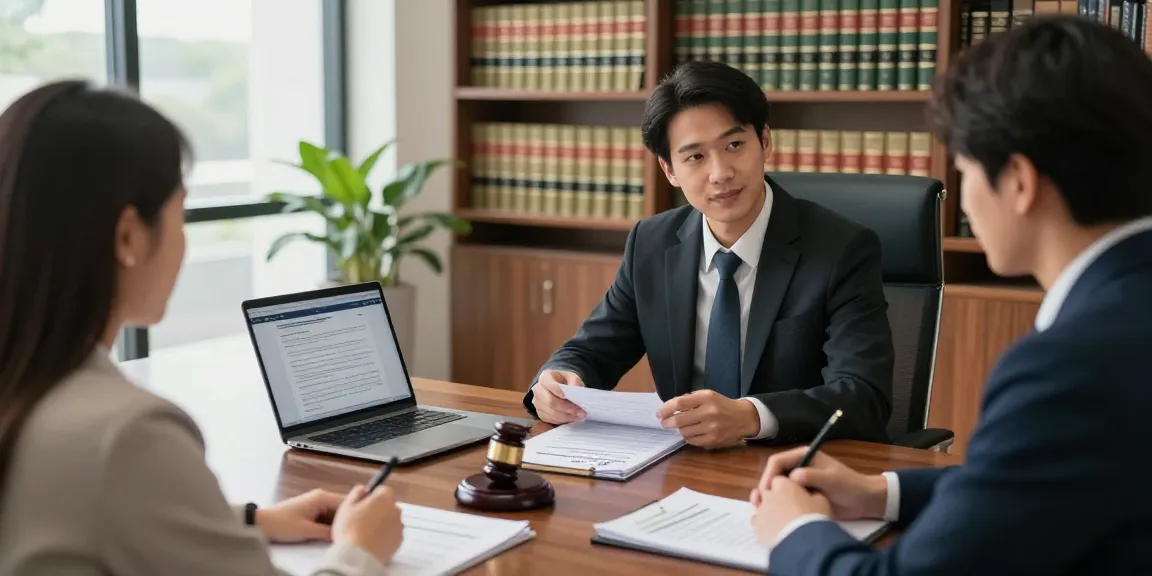
Understanding Legal Frameworks
In today’s complex legal landscape, understanding the distinctions and implications of various legal cases is crucial for individuals seeking justice. Whether dealing with criminal charges or civil disputes, the pathway through the legal system can be fraught with challenges. J.K. Chaudhary & Associates is here to ensure that you navigate these complexities with clarity and confidence. For a deeper dive into these topics and more, read the article on our website.
What is a Criminal Case in India?
A criminal case in India arises when an individual or entity is accused of violating the law. These cases are initiated following a police investigation, which may involve gathering evidence, witness statements, and other relevant documentation. The legal process typically begins with the filing of a First Information Report (FIR), followed by a charge sheet prepared by the police. The accused then faces trial in a court, where the prosecution must prove guilt beyond a reasonable doubt.
Criminal cases can vary significantly in nature, including offenses ranging from minor infractions to serious crimes such as murder or robbery. The legal ramifications are severe, often resulting in imprisonment, fines, or both. Effective legal representation is essential to navigate the complexities of criminal law and ensure the protection of one’s rights.
Defining Civil Litigation and Its Importance
Civil litigation encompasses legal disputes that are not criminal in nature, typically involving conflicts between individuals or organizations. Common civil cases include contract disputes, property disputes, and family law matters. The goal of civil litigation is primarily to resolve disputes and provide a remedy to the aggrieved party, often through monetary compensation or specific performance of contractual obligations.
Understanding the nuances of civil law is critical for individuals and businesses alike. Legal proceedings can be lengthy and expensive, and having a knowledgeable attorney can substantially improve the likelihood of a favorable outcome.
Key Sections of the Criminal Procedure Code
One of the key features of the Indian legal system is the Criminal Procedure Code (CrPC), which outlines the processes governing criminal proceedings. Important sections of the CrPC include:
- Section 154: Relates to the investigation of cognizable offenses and the registration of FIRs.
- Section 160: Addresses the police’s power to require the attendance of witnesses.
- Section 482: Empowers the High Court to quash FIRs and criminal proceedings in certain circumstances.
These sections serve as the foundation for safeguarding rights and ensuring justice within the criminal justice system.
Navigating Family Law Matters
Family law is a pivotal area that affects individuals in deeply personal ways, encompassing issues such as divorce, child custody, and domestic violence. Navigating these matters requires a thorough understanding of legal rights and obligations.
Essential Aspects of Divorce Proceedings
Divorce proceedings can be emotionally taxing and legally complex. In India, divorce can be obtained through mutual consent or contested filings, each involving specific legal stipulations. The duration of proceedings can vary based on the nature of the case and the willingness of both parties to negotiate terms regarding asset division and child custody.
Legal representation is essential to navigate these proceedings effectively, ensuring that all rights are preserved and that the best interests of any children involved are prioritized.
Child Custody: Understanding Rights and Responsibilities
Child custody cases often arise during divorce proceedings and require careful consideration of the child’s best interests. Indian law emphasizes the importance of maintaining the child’s welfare, leading courts to consider factors like parental fitness, the child’s wishes (if of sufficient age), and the stability of the living environment.
Determining custody arrangements can be contentious and may involve mediation to reach a satisfactory agreement for both parents.
Legal Protections Against 498A Misuse
The misuse of Section 498A of the Indian Penal Code, which addresses dowry harassment, is a growing concern. It is crucial for both accusers and accused to understand their rights under this law. Although intended to protect women from domestic violence, there are instances where this law has been exploited. Legal counsel is vital to navigate these sensitive situations and to ensure that justice is served without bias.
Criminal Defense Strategies
When facing criminal charges, developing a robust defense strategy is paramount. This involves understanding the charges, gathering evidence, and identifying potential legal defenses.
Building a Strong Defense: What to Consider
Effective criminal defense begins with a thorough investigation of the case. Key elements to consider include the credibility of witnesses, gathering of exculpatory evidence, and presenting a sound legal argument. Engaging an experienced attorney can significantly affect the outcome of a case and the potential penalties that may be imposed.
Role of Evidence in Criminal Trials
Evidence plays a critical role in criminal trials. The prosecution is tasked with establishing guilt beyond a reasonable doubt, which often rests on the strength of the evidence presented. Defendants have the right to challenge the admissibility of evidence and can introduce evidence that supports their case. Understanding the types of evidence, including documentary, testimonial, and physical evidence, is essential for both defense and prosecution.
Understanding Bail and Its Implications
Bail is a mechanism that allows the accused to be released from custody while awaiting trial. Understanding the bail process and the factors influencing bail decisions, such as the severity of the offense and the flight risk of the accused, is crucial. Each jurisdiction may have its own procedures and standards for bail, underscoring the importance of seasoned legal guidance.
Handling Civil Cases Effectively
Effectively managing civil cases requires a strategic approach to ensure that rights are protected and legal remedies pursued.
Contractual Disputes: Legal Remedies Available
Contract disputes arise when parties fail to fulfill their obligations under an agreement. Legal remedies available may include rescission, specific performance, or monetary compensation. Understanding the enforceability of contracts and having a clear legal strategy are vital to resolving these disputes favorably.
Property Disputes: Navigating the Legal Process
Property disputes can become contentious, involving issues such as ownership, boundaries, and rights to use property. Engaging in mediation or arbitration can be effective in resolving these conflicts without lengthy litigation. Understanding property laws and being aware of one’s rights is crucial for transparent and effective navigation of disputes.
Mediate vs. Litigate: Best Practices in Civil Law
When it comes to resolving civil disputes, parties often face the critical decision to mediate or litigate. Mediation offers a less adversarial approach that can save time and resources, while litigation may be necessary for disputes that cannot be amicably resolved. Each case is unique, and weighing the pros and cons of both strategies is vital for a successful resolution.
Future Trends in Legal Services
The legal profession is not immune to the impacts of technological advancement. As we head towards 2026, several trends are shaping the future of legal services.
Technology in Law: The Rise of AI and Automation
The integration of artificial intelligence and automation in law firms is revolutionizing how legal services are delivered. From document review to predictive analytics for case outcomes, technology is streamlining processes and improving efficiency, thereby aiding lawyers in providing better service to their clients.
Shaping Client Relations in a Digital Age
As legal services continue to evolve, maintaining strong client relationships becomes even more critical. Legal professionals must adapt to the changing expectations of clients who increasingly demand transparency, accessibility, and personalized service. Modern communication tools and platforms are key in enhancing client engagement and satisfaction.
Emerging Legal Challenges for 2026
As society evolves, new legal challenges will emerge, particularly concerning privacy, intellectual property, and regulatory issues related to technology. Legal professionals must stay informed and adaptable to address these challenges effectively.
What is the Role of Mediation in Modern Legal Practice?
Mediation is increasingly recognized as a vital tool in resolving disputes efficiently. Its emphasis on collaboration rather than confrontation aligns well with current trends favoring conflict resolution outside of traditional court settings. Legal practitioners are encouraged to incorporate mediation into their practices to provide clients with more options for dispute resolution.